
How to Pair Fitbit Air with an Analog Watch: The Ultimate DIY Hybrid Guide
Do you love the timeless elegance of a traditional timepiece but hate losing out on your health data? You don’t have to choose between classic horology and modern fitness tracking. By creating a DIY Fitbit Air analog watch hybrid, you can enjoy the best of both worlds. This guide will show you how to mount a screenless Fitbit Air tracker to your favorite analog watch for a discreet, stylish, and functional setup.
Why Create a Fitbit Air Hybrid?
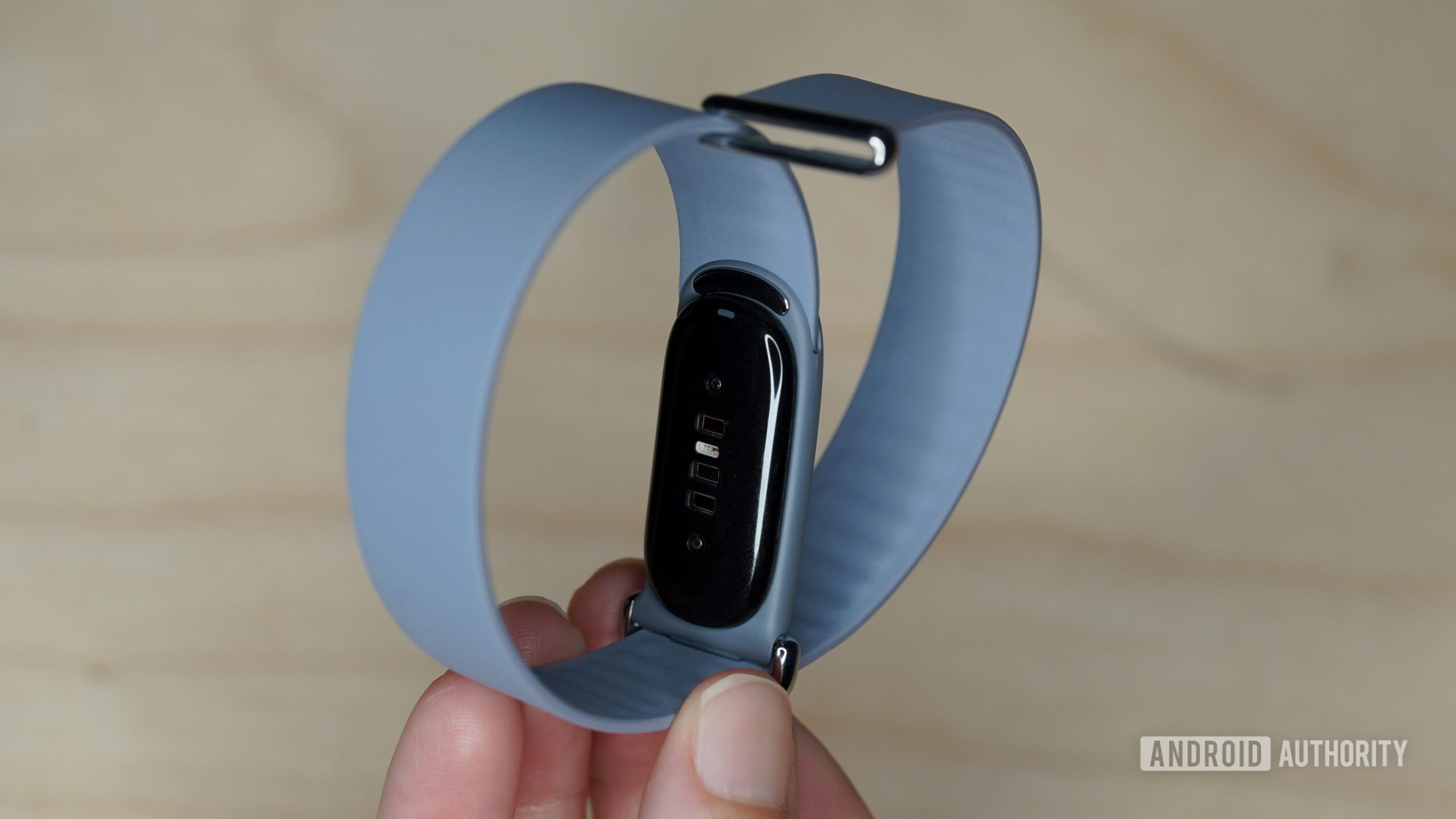
The Fitbit Air is the ideal candidate for a “stealth” fitness tracker because of its minimalist, screenless design. Unlike bulky smartwatches, the Fitbit Air can be tucked away on the underside of your wrist, allowing your mechanical or quartz watch to take center stage.
This DIY pairing captures essential health metrics—like heart rate, steps, and sleep quality—without the distraction of another digital screen or the “double-wristing” look.
Compatibility: Finding the Perfect Watch Match
The secret to a professional-looking hybrid is the lug width of your analog watch. The Fitbit Air strap acts like a NATO-style band, so the width must match your watch case to ensure stability and aesthetics.
- The Gold Standard: 18mm Lug Width. This provides a perfect, factory-finished look with no gaps between the strap and the watch case.
- The Recommended Alternative: 19mm Lug Width. This is common for vintage watches and works excellently; any slight “slack” is virtually invisible once on the wrist.
- What to Avoid: 20mm+ Lug Widths. Avoid wider lugs. The Fitbit Air band is too narrow for 20mm or 22mm watches, which leads to the watch head sliding and potential damage to the spring bars.
Tools & Preparation
Before you begin the assembly, ensure you have the following tools ready for a safe and scratch-free installation:
- Spring Bar Tool: Essential for removing your current watch strap without damaging the lugs.
- Measuring Tool: Use a digital caliper or a precise ruler to confirm your watch’s lug width is 18mm or 19mm.
- Hardware Check: Inspect your watch’s spring bars. We recommend using high-quality stainless steel spring bars to support the extra weight of the tracker.
- Microfiber Cloth: Use this to clean the watch case and the Fitbit band to prevent grit from causing friction marks.
Step-by-Step Assembly Instructions
Follow these steps to securely integrate your analog watch with the Fitbit Air tracker strap:
- Remove the Original Strap: Use your spring bar tool to take off the existing band from your analog watch.
- Reinstall Spring Bars: Place the spring bars back into the watch lugs without a strap attached. They should click firmly into place.
- Position the Fitbit Air: Unbuckle your Fitbit Air strap and lay it flat on a soft surface.
- Thread the Band: Similar to a NATO strap, slide the Fitbit band under the top spring bar (12 o’clock), across the back of the watch case, and then under the bottom spring bar (6 o’clock).
- Set Your Pulse Point: Adjust the positioning so the analog watch face is centered on top of your wrist while the Fitbit Air sensor sits flush against the underside of your wrist.
- Final Security Check: Fasten the band and give the watch head a gentle tug to ensure it is locked in and doesn’t slide excessively.
Safety, Comfort, and Maintenance
While this is a popular community “hack,” keep these tips in mind for long-term wear:
- Skin Sensitivity: Adding a watch head increases the thickness of the band. Ensure you can fit one finger between the strap and your wrist to prevent skin irritation or circulation issues.
- Hardware Only: Note that this is a physical modification. The devices do not sync digitally; your analog watch keeps time while the Fitbit Air handles the data.
- Weekly Inspection: Because the Fitbit band is carrying more weight than originally intended, check the spring bars once a week for signs of bending or stress.
Frequently Asked Questions
Will this scratch my watch case?
Because the strap passes behind the case, minor friction can occur. To prevent “desk diving” marks on the case back, you can apply a small circle of clear protective film (often used for smartphone screens) to the back of the watch.
Can I use a dive watch for this?
Most dive watches are too thick (12mm+) and have 20mm or 22mm lugs. For the best “Smart-Classic” look, we recommend thin-profile dress watches or field watches under 10mm thick.