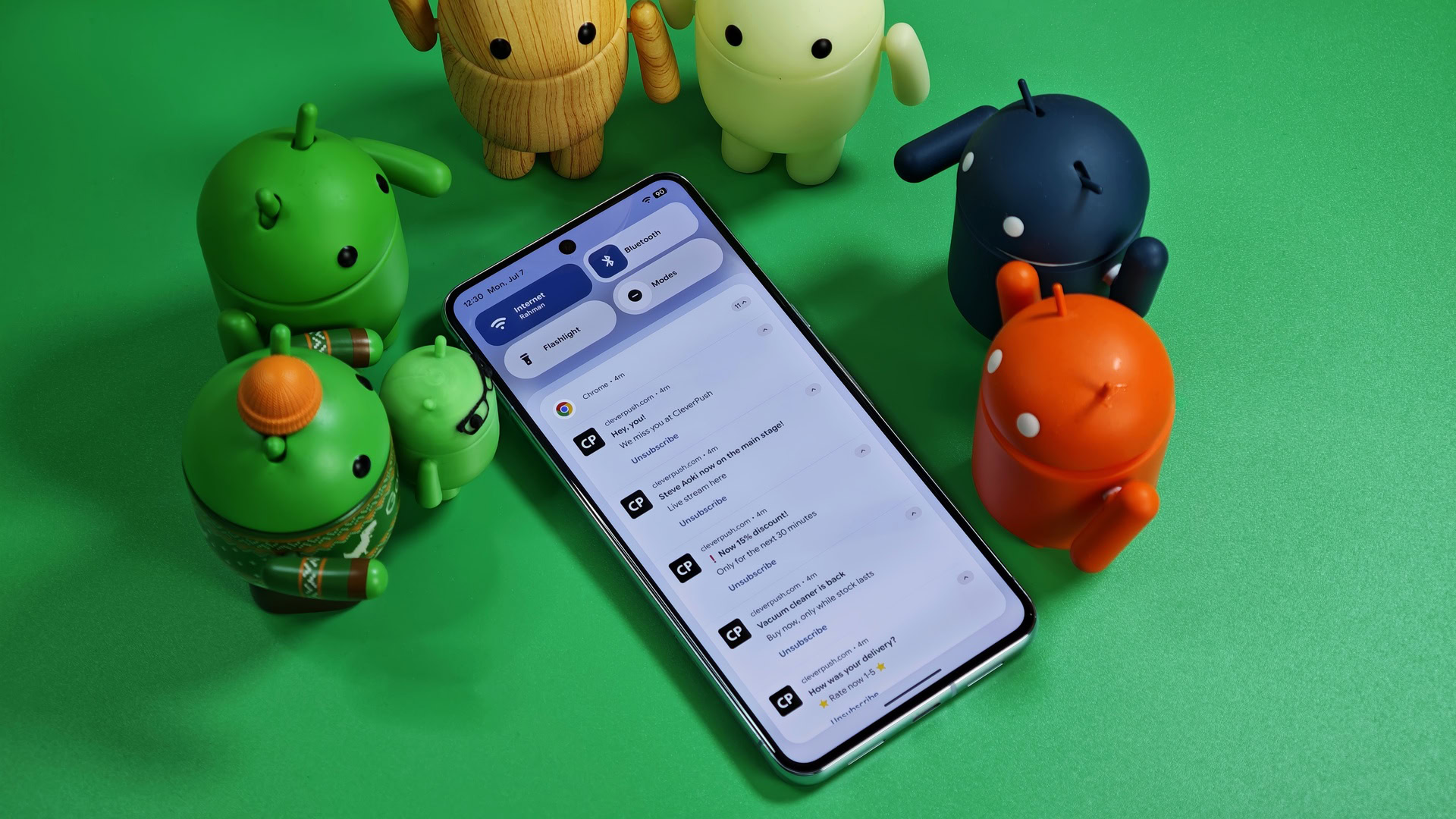

However, having used the new app for about a week now, I have another categorical feeling about it: It’s counterintuitive, and I hate it. It’s a huge step back in usability, and Google’s single-minded focus on AI has ruined what was a much better experience in my opinion.
What do you think of the new Google Health app?
38 votes
Text is harder to read than graphs
Stephen Headrick / Android Authority
The moment I opened the new Google Health app, my attention was drawn to the stats tiles at the top, then the big block of text beneath them. Almost every time I’ve opened the app after that, it’s been the same story: tiles at the top with a huge block of text from the Google Health Coach below. I’ve had an instance or two of my recent sleep stats and some exercise popping up on top, but 95% of the time, I’m only getting text from the coach.
And I don’t know about you, but I find text a lot less glanceable than a big number or a graph. Visuals are eminently more readable than text, yet Google’s focus has been pushed so far into the interpretation of the data that it forgot that I need to see the data first. I don’t want to read 15 lines of text to know that my resting heart rate shot up because I slept like crap; I need to see the graph about how it shot up, and below that, a quick explanation of the why and how it affects my day.
Instead, the coach seems too high on its own words that it goes on and on, only to serve me some graphs and stats in the middle of sentences. This inherently changes my relationship with the app because now I’m looking at an interpretation of my health, not the hard numbers. I understand why this might work for those who have time or don’t know how to read the numbers, but I’d argue that if you’ve already invested in a Pixel Watch or a Fitbit, you must have a minimal level of health literacy.
If the goal is to trap me in the Health app until I find the data I need before I escape, then Google succeeded.
Even if not, seeing numbers and evolution graphs is a lot more impactful than a series of words. If I read that my readiness is 60 today in the middle of a blurb of text, but it was 70 yesterday in the middle of another blurb of text, I don’t think that means anything to me or registers as well as seeing a graph that depicts my dropping readiness level. The same thing applies to any other number.
Beyond the hampered Today tab, the same lack of visibility applies to the Fitness and Sleep tabs, too. Fitness gives me huge tiles for my workout library on the first screen, so I have to scroll down to actually see my recent activities and key active metrics. Sleep, on the other hand, starts with a huge wall of text about my sleep before showing me my sleep score and duration. Once again, I have to scroll down to check my actual sleep stages, quality, and metrics. Who OK’ed this design?
Look, if the goal is to trap me in a hell of useless stuff and keep me for the longest time engaged in the Google Health app just so I could find what I need before escaping, then good job. And if the goal is to blast AI in my face as if it’s the only thing that matters and some product manager’s pet project, then once again, good job, Google. I guess I just answered my own question.
And really, what happened to the graphs?

Stephen Headrick / Android Authority
I know you’re reading this and thinking, Rita, look at the tiles on top! Yes, they’re there, I concede, but four tiles (if you want to use a larger one next to three small ones) or six small tiles aren’t enough visibility for a health-centric app. Even swiping to reveal more slots isn’t a good user experience. This stuff should be front and center, while the AI coach takes a backseat, in a smaller, expandable box.
Don’t get me started on everything wrong with the tiles, too. They’re not movable — not the ones on the home screen nor the ones in the Health tab. What?! I honestly thought there was something wrong with my phone, reinstalled the app, cleared cache, tried it on another phone, asked my colleagues, and they all confirmed. You can’t move a tile around; you have to remove it, and then re-add it and hope it lands in the right spot. What is this, 2005?
I can’t move tiles easily or add specific metrics to my home screen. This is supposed to be a health platform, not an obfuscation game.
On top of this, not everything is available as a home screen tile. I can’t add a tile to my Today tab for my resting heart rate, blood oxygen, heart rate variability, breathing rate, skin temperature variation, or body fat percentage. Why? Your guess is as good as mine. That data exists as square widgets in the Health tab, but it’s not readily accessible from the home screen. This is supposed to be a health platform, not an obfuscation game.
Google can fix this misstep pretty easily

Stephen Headrick / Android Authority
I love the new design of the Google Health app, but I just dislike the user experience tied to it. I don’t want Google to go back to the older Fitbit app design; this is so much more alive and interesting to look at. But I need it to be useful to look at, too. Google can easily fix this by implementing a few changes:
- The AI Coach blurbs should show me metrics and graphs first before explaining them, and the text part should be collapsed with a quick button to expand and read more endless words for those who need to.
- The tiles should be movable, and any metric should be able to be added to the home screen tiles, including resting heart rate, heart rate variability, breathing rate, and the others I mentioned above.
- The home screen’s tile section should be resizable. If I want four rows of tiles to show more stats, I should be able to do that. Also, let me display proper graphs like the ones in the Health tab on the home screen. They give me a much better view of my progress over the last week than a single number that just depicts today’s state.
- The Fitness tab needs to compress the workout library section to the top and show me my actual workouts on the first screen.
- The Sleep tab needs to show me my stats first before giving me an expandable AI-powered interpretation.
It’s a few minor changes, I think, that would make the app a lot more usable. Well, that and the ability to pick between the different data sources when there’s an overlap, and we prefer one source over another. But if Google is able to implement these modifications, I think it has an excellent foundation for the one-stop health app that I’ve been asking for for years, instead of the fragmented Fitbit-Fit-Health Connect approach.
Don’t want to miss the best from Android Authority?


Thank you for being part of our community. Read our Comment Policy before posting.
[ad_2]
Source link
More on ve used the new google health
Stay tuned for updates on ve used the new google health as the story develops. Related: so much has changed in 6 months’ time.
Frequently Asked Questions
The AI Health Coach dominates the app with huge blocks of text, pushing the actual data out of view. The author finds text far less glanceable than big numbers or graphs, calling the redesign counterintuitive and a huge step back in usability.
Stats tiles and evolution graphs front and center, with the AI coach taking a backseat in a smaller, expandable box. For example, a graph showing a dropping readiness score registers far better than reading that readiness is 60 in the middle of one blurb and 70 in another.
In the article's poll, 32% call it gorgeous and useful, 24% say it looks good but dislike using it, 8% like how it works but not the new look, 18% are indifferent, and 18% are still on the Fitbit app.
The Fitness tab opens with huge tiles for the workout library, so you must scroll down to see recent activities and key metrics. The Sleep tab starts with a huge wall of text before showing the sleep score and duration, and you must scroll again to reach sleep stages, quality, and metrics.