Everything you need to know about android 17 latest anti theft feature.
[ad_1]TL;DR
- Android 17 introduces biometric authentication for the “Mark as lost” feature, ensuring that even if a thief has your PIN, they cannot disable device tracking or regain access to your phone.
- Triggering “Mark as lost” now also goes beyond a simple lock, automatically hiding Quick Settings and disabling new Wi-Fi and Bluetooth connections.
- Google is also making Remote Lock and Theft Detection Lock features “on by default” for Android 17.
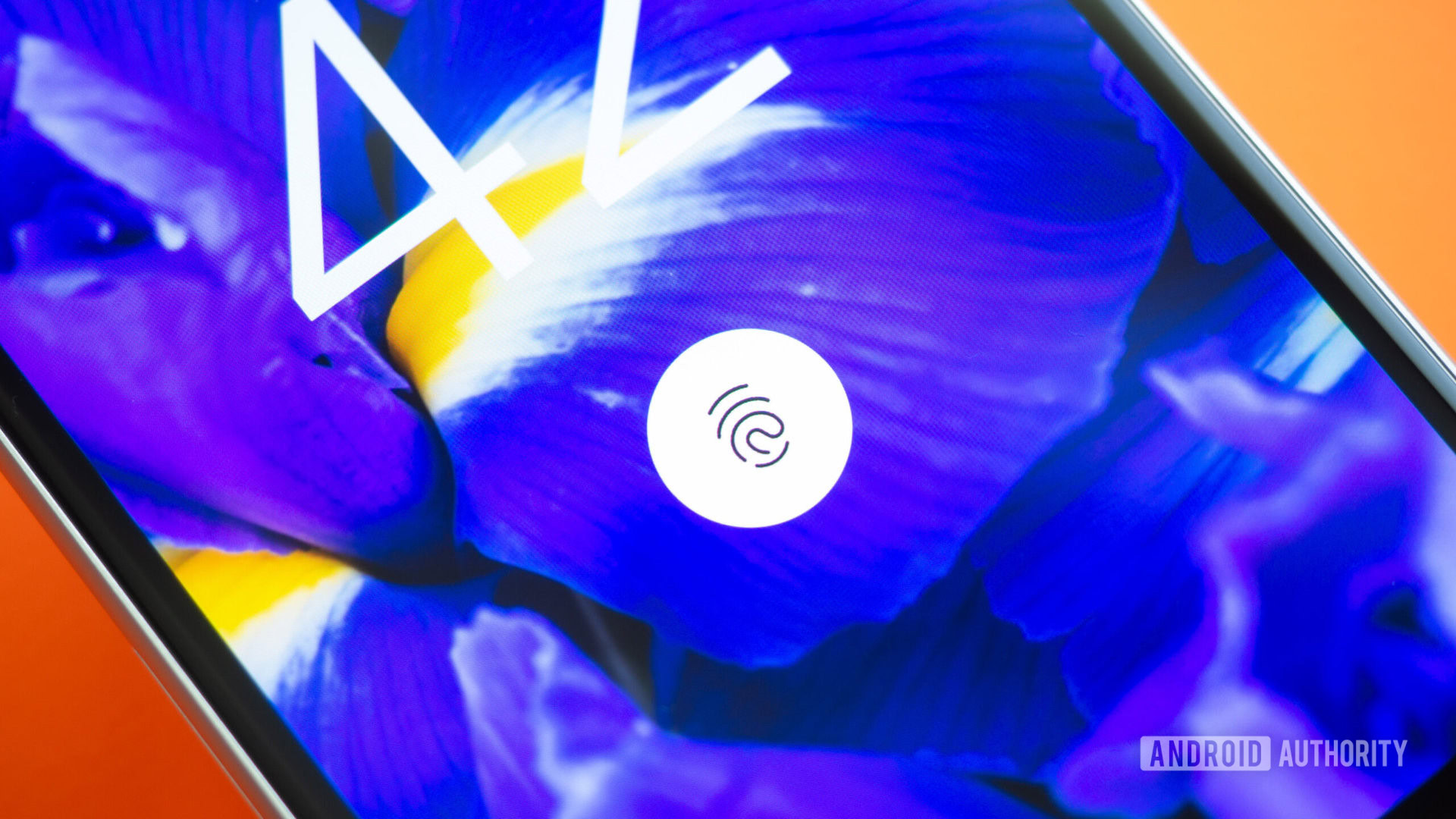
Google is enhancing Find Hub‘s Mark as lost feature in Android 17 to allow locking a phone with biometric authentication, in addition to the regular device passcode or PIN, as we spotted previously. This means that thieves who may have obtained your passcode or PIN won’t be able to turn off device tracking or re-access your phone if you mark it as lost.
Triggering Mark as lost also enables additional protections, such as hiding Quick Settings and disabling new Wi-Fi and Bluetooth connections.
Don’t want to miss the best from Android Authority?


Further, Google is also expanding the default-on theft protections globally, following a successful pilot test in Brazil. This mainly refers to Remote Lock and Theft Detection Lock features, which will now be enabled by default on all new Android 17 devices, as well as those that are freshly reset or upgraded to Android 17.

That’s not all, as Google is also expanding these protections to all devices running Android 10 or higher in high-demand markets, such as Argentina, Chile, Colombia, Mexico, and the UK. Google didn’t mention whether these protections will eventually extend globally to older devices, but we’re keeping our fingers crossed, since everyone can benefit from a bit more protection.
With Android 17, Google is also making it harder for thieves to access your data. On supported devices, Google has significantly reduced the number of attempts required to guess a PIN or password. The wait times between failed attempts have also been extended. This shuts down attackers who try to rapidly guess their way into your phone. Google has also refined how the lock screen displays information after failed attempts. In all, there’s plenty of reason to upgrade to Android 17 when it becomes available for your phone, if only to make it harder for someone to profit from stealing it.
Thank you for being part of our community. Read our Comment Policy before posting.
[ad_2]
Source link
More on android 17 latest anti theft feature
Stay tuned for updates on android 17 latest anti theft feature as the story develops. Related: 1,700 Free Online Courses from Top Universities.
Android 17 latest anti theft feature: Key Details Explained
Android 17's latest anti-theft feature stops thieves who already have your PIN — let’s break down what actually matters here. This one stands out because it touches the things buyers care about most: performance, features, and value for money. If you’re comparing options right now, it’s worth keeping on your shortlist.
Looking at the bigger picture, this fits into a wider trend where brands compete harder with every release cycle. Expect more details to surface as things develop, including confirmed specifications and pricing from official sources.
Should You Keep Following This?
If you follow mobile tech closely, the answer is yes. Developments like this could influence your next purchase decision, so it’s worth tracking. Bookmark this page — we’ll keep the coverage fresh as the story evolves.
Frequently Asked Questions
Android 17 adds biometric authentication to the Mark as lost feature, so a thief with your PIN still cannot disable device tracking or regain access to your phone.
Triggering Mark as lost also hides Quick Settings and disables new Wi-Fi and Bluetooth connections.
Remote Lock and Theft Detection Lock are enabled by default on all new Android 17 devices and on devices freshly reset or upgraded to Android 17, following a successful pilot in Brazil.
Google is expanding them to devices running Android 10 or higher in high-demand markets such as Argentina, Chile, Colombia, Mexico, and the UK, but has not said whether they will extend globally.