Everything you need to know about as an oura ring user i.
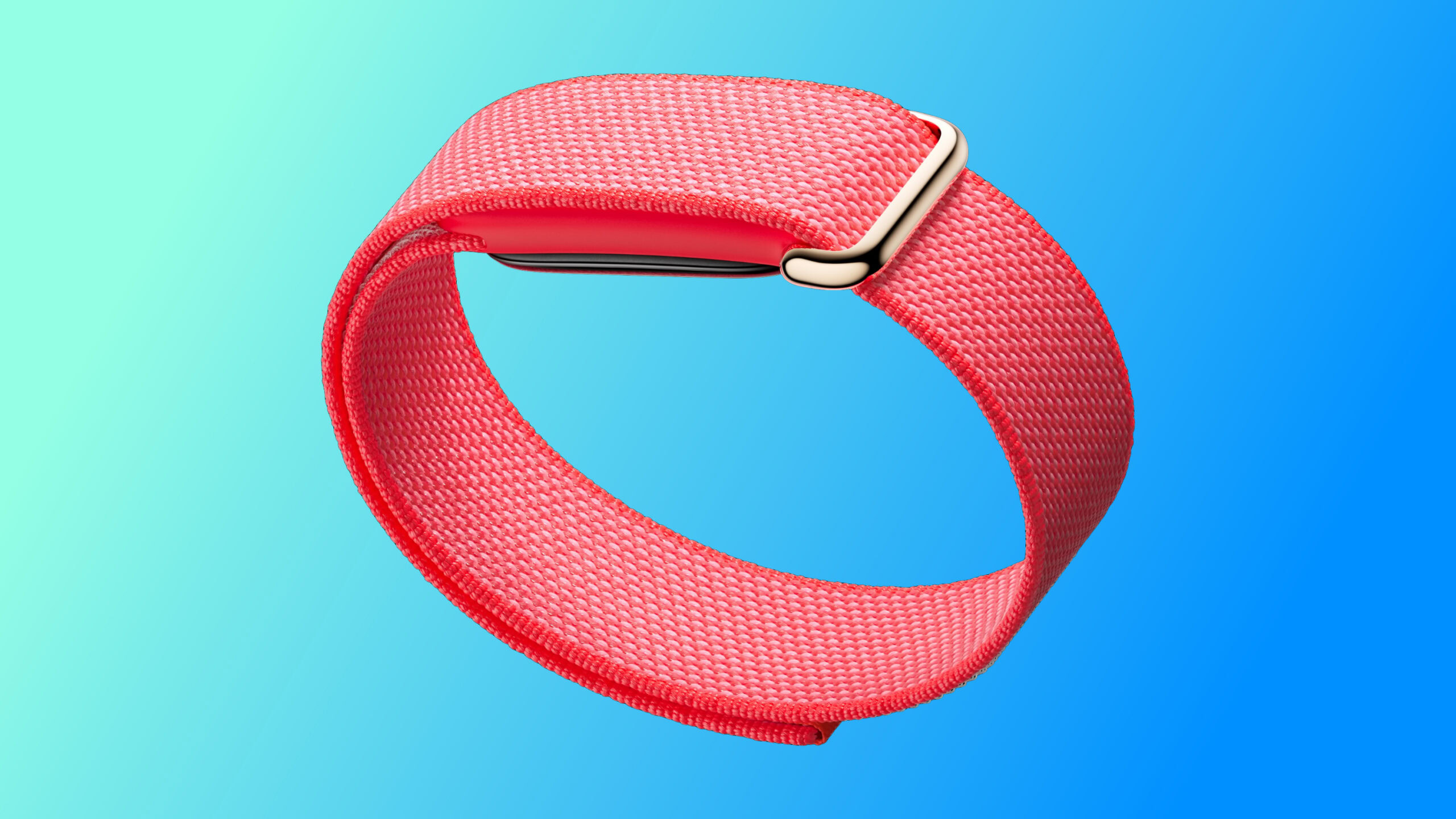
[ad_1]The Fitbit Air is one of the most interesting new wearables we’ve seen from Google/Fitbit in a while. The screen-less design is gunning right for WHOOP, the Pixel Watch tie-in is intriguing, and the $100 price tag is fantastic. For Fitbit enthusiasts, the Air looks pretty compelling right out of the gate.
However, with Google positioning the Fitbit Air as a lighter, smaller fitness tracker to be used either on its own or as a Pixel Watch companion, a big question is likely on many people’s minds: Why not make a smart ring instead?
The Oura Ring is extremely popular. Samsung has its own smart ring with the Galaxy Ring. Why not make the Fitbit Air a smart ring, too? It seems like the path Google should have taken, but as someone who’s worn a smart ring over the last few months, I think Google made the right call.
Do you want Google/Fitbit to make a smart ring?
2 votes
The (many) issues with wearing smart rings

Kaitlyn Cimino / Android Authority
I wore the Oura Ring pretty consistently for a while, and there’s a lot I like about it. The Oura app breaks down health data in an easily digestible way and really helps me better understand my sleep and daily readiness than most other trackers. I also love how many health sensors Oura crammed into such a small form factor, and going about a week without needing to charge is fantastic.
But when it comes to the nature of the Oura Ring 4’s design, I quickly realized that a smart ring — as small and convenient as it may be — also comes with a heap of idiosyncrasies that you just don’t have to worry about with a wrist-based tracker.
Try as I might, I just can’t make a smart ring work for my life.
I’m the main cook in my house, and that means every evening after work, I have to take the Oura Ring off while getting dinner ready (unless I want it to come into contact with raw beef, chicken, and other foods). Whenever I’m using free weights or weight machines at the gym, having the Oura Ring on is really uncomfortable, so I take it off. Since moving into my first home, I found that wearing the Oura Ring while painting, weed-eating, and gardening is a nuisance — owning to its large, bulky design (compared to regular, non-smart rings).
This ultimately means I’m frequently taking the Oura Ring off on any given day, and the more often I do, the more likely I am to forget to put it back on. Initially, that meant going a few hours or even a day without wearing the Oura Ring. Most recently, I’ve found it sitting unused in my office for close to a month.

Kaitlyn Cimino / Android Authority
The main draw of the Oura Ring (and any smart ring) is that it’s supposed to be a set-and-forget wearable. You put it on your finger, go about your life, and it seamlessly tracks your health data in the background. On paper, that sounds great.
But at least for my life and daily activities, it hasn’t worked out that way. Having to remove and put the ring back on multiple times per day completely removes that convenience and deters me from using it. It’s a shame considering how much the Oura Ring gets right, but try as I might, I just can’t make the smart ring work.
Why the Fitbit Air’s design is better

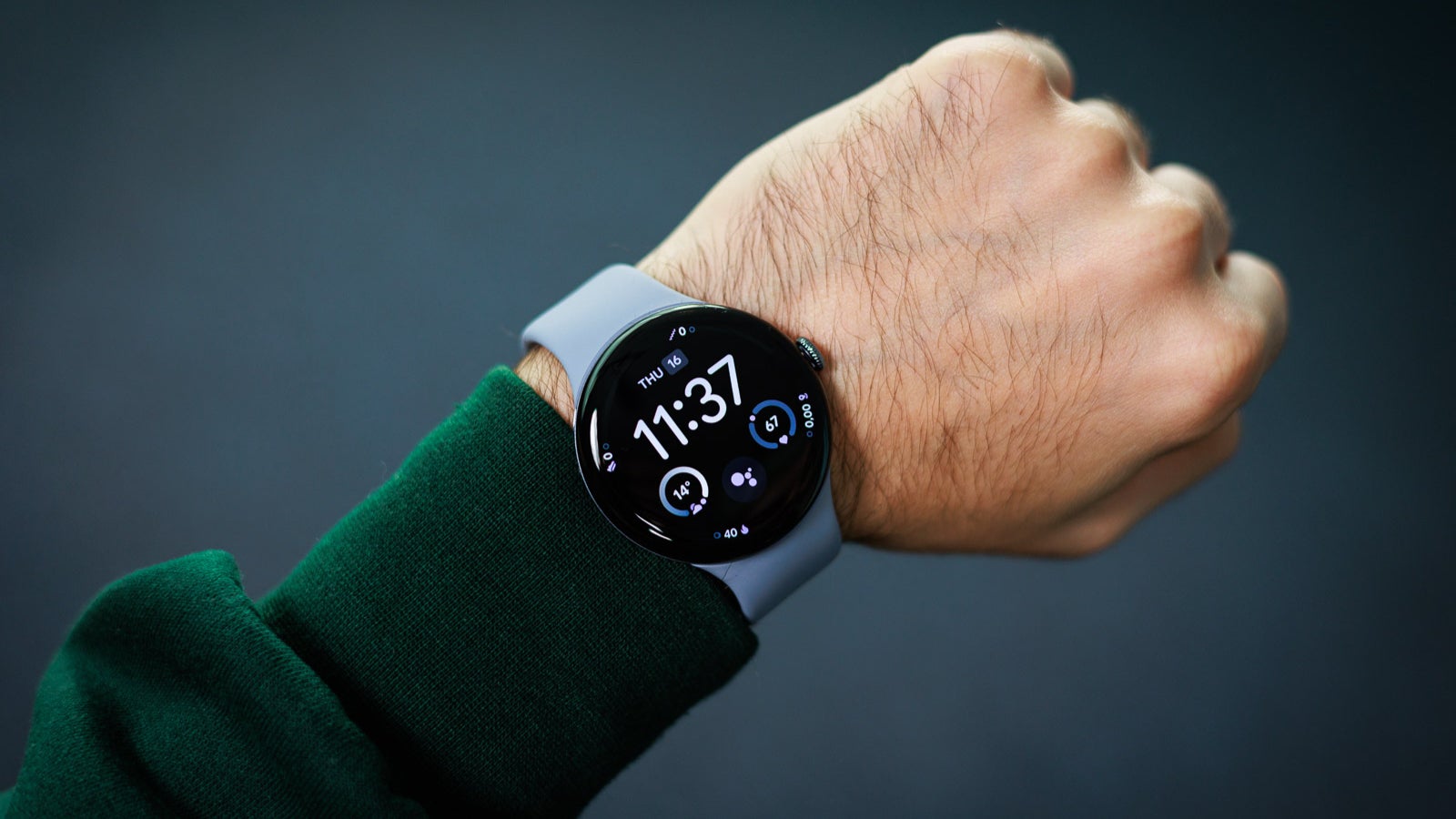
The Fitbit Air aims to achieve the same fundamental goal as the Oura Ring. The idea is that you put on the Fitbit Air, go about your life, and have a health/fitness tracker monitoring your steps, sleep, heart rate, and other data with week-long battery life. However, instead of a smart ring, the Fitbit Air goes on your wrist.
It’s not a completely new form factor (WHOOP has been doing screen-less wrist wearables for a while), but it’s one I’m really happy that Google went with.
I’m glad we have the Fitbit Air for people like myself who don’t get along well with smart rings.
In theory, the Fitbit Air will achieve the same purpose as my Oura Ring. It’ll be a wearable I can put on and not have to think about, knowing it’s working in the background to track my health. And because it’s on my wrist, I’ll be able to keep wearing it in all of those scenarios where a smart ring doesn’t make sense. For a tracker that’s designed to be worn continuously without you needing to repeatedly take it off, that’s huge.
I don’t doubt we’ll get a Fitbit smart ring at some point, and I would like to see Google’s take on one. But I’m also glad we have the Fitbit Air for people like myself who don’t get along well with smart rings. Add the more practical form factor with customizable bands and a $100 price, and the Fitbit Air looks pretty darn good.
Don’t want to miss the best from Android Authority?


Thank you for being part of our community. Read our Comment Policy before posting.
[ad_2]
Source link
More on as an oura ring user glad
Stay tuned for updates on as an oura ring user glad as the story develops. Related: An Ex-Meta L8’s Agentic Engineering Setup.
As an oura ring user i: Key Details Explained
As an Oura Ring user, I’m glad the Fitbit Air isn't a smart ring — let’s break down what actually matters here. This one stands out because it touches the things buyers care about most: performance, features, and value for money. If you’re comparing options right now, it’s worth keeping on your shortlist.
Looking at the bigger picture, this fits into a wider trend where brands compete harder with every release cycle. Expect more details to surface as things develop, including confirmed specifications and pricing from official sources.
Should You Keep Following This?
If you follow mobile tech closely, the answer is yes. Developments like this could influence your next purchase decision, so it’s worth tracking. Bookmark this page — we’ll keep the coverage fresh as the story evolves.
More updates on as an oura ring user i will follow as as an oura ring user i develops further.
More updates on as an oura ring user i will follow as as an oura ring user i develops further.
Frequently Asked Questions
Daily life kept forcing it off: cooking with raw meat, discomfort with free weights and gym machines, and painting, gardening, and yard work with its bulky design. Frequent removal led to forgetting it, and it sat unused in an office for close to a month.
The Oura app breaks down health data digestibly, improves understanding of sleep and readiness, crams many sensors into a small form factor, and lasts about a week per charge.
A wrist band stays on through cooking, workouts, and chores, achieving the set-and-forget goal smart rings promise but often fail at. At $100 it is also far cheaper than a ring plus subscription.
In the article's poll, 50% said they would love a Google smart ring and 50% said the Fitbit Air design is perfect, with no votes against screenless trackers.