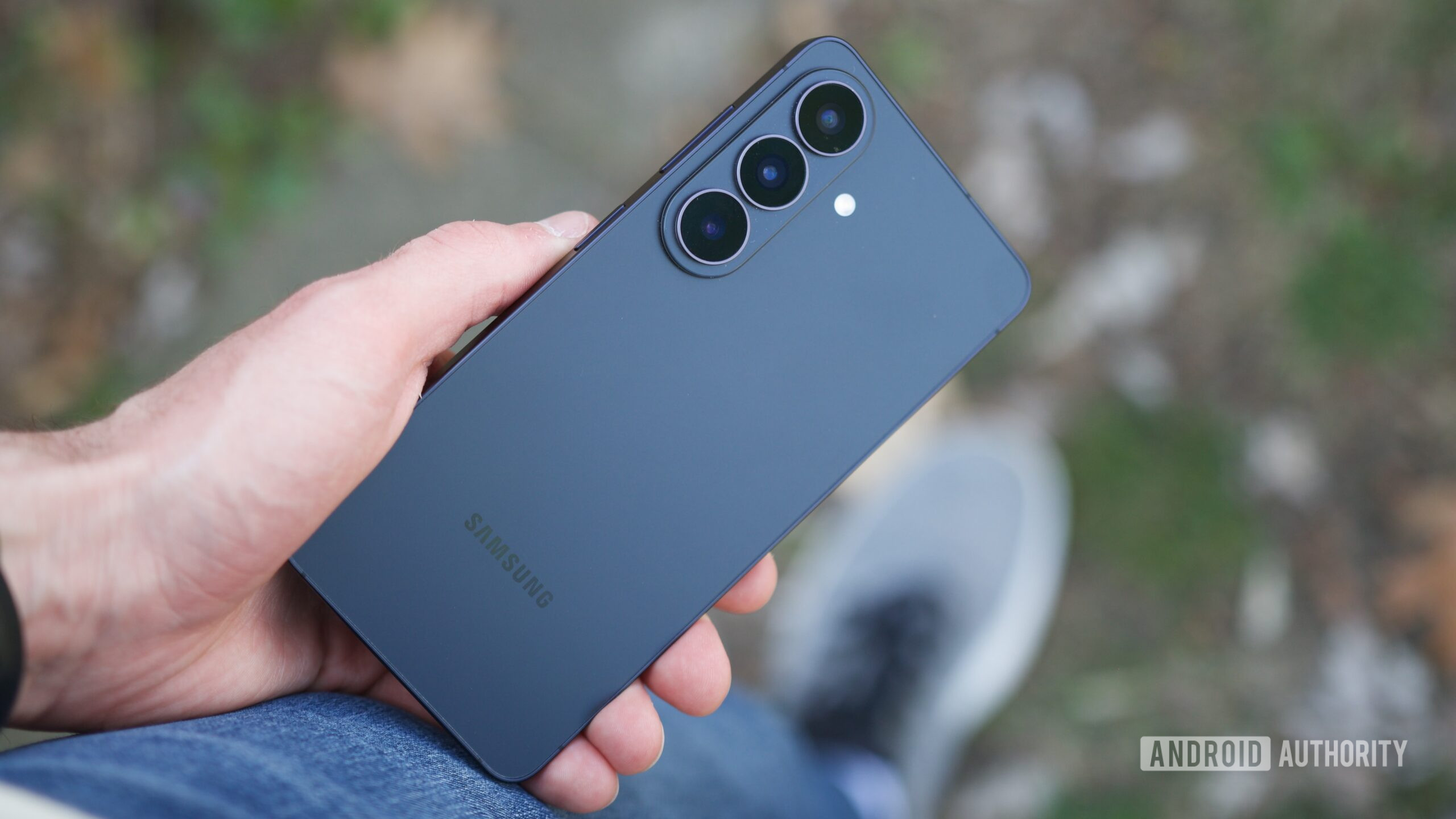
You don’t need to spend $1,000 or more to get a genuinely great smartphone anymore. The best phones under $500 2026 come with bright OLED displays, multi-day battery life, cameras that punch far above their price, and software support that used to be reserved for flagships. Whether you’re shopping in the US or the UK, this year’s mid-range lineup is so good it has quietly made premium phones a hard sell.
Below, we break down eight standout picks, compare the three heavyweights head-to-head, and walk through the hidden costs — carrier deals, refurbished flagships, and trade-ins — so you can spend smart.
What $500 Gets You in 2026 That Flagships Had 2 Years Ago
The mid-range market in 2026 is where flagship features go to become standard. 120Hz OLED displays with brightness above 2,000 nits, five or more years of software updates, AI-powered camera processing with strong night mode, and two-day battery life are all realistic at this price. The gap between a $500 phone and a $1,200 phone is now mostly about telephoto zoom and build materials — not everyday performance.
The 3 Contenders: Pixel 10a vs Galaxy A37 5G vs Nothing Phone (4a) Pro
Three phones dominate the conversation about the best phones under $500 in 2026, and each wins a different kind of buyer.
Pixel 10a (around $499)
The camera-first pick. Google’s computational photography remains best in class at this price — point-and-shoot results that rival phones costing twice as much, especially in low light. You also get clean Android, fast day-one updates, and built-in AI features like call screening. Trade-offs: slower charging and a safe, unexciting design.
Galaxy A37 5G (around $449)
Samsung’s play is value plus longevity. The A37 5G typically undercuts the other two by about $50 while offering one of the longest software support promises in the segment and a big battery. Camera processing is good but a step behind the Pixel, and pre-installed Samsung apps may annoy minimalists.
Nothing Phone (4a) Pro (around $499)
The enthusiast’s choice. The transparent back with the Glyph interface, bloat-free Nothing OS, and some of the fastest charging in the class make it the most fun phone here. The catch: camera consistency lags slightly behind the Pixel, and lower brand recognition in the US can hurt trade-in value later.
Best Phones Under $500 2026: Full Comparison Table
| Phone | Price (approx.) | Best For | Standout Strength | Watch Out For |
|---|---|---|---|---|
| Pixel 10a | $499 / ~£449 | Camera lovers | Best-in-class photos | Slower charging |
| Galaxy A37 5G | $449 / ~£399 | Long-term value | Long updates, big battery | Pre-installed apps |
| Nothing Phone (4a) Pro | $499 / ~£449 | Design & speed | Unique look, fast charging | Camera consistency |
| Samsung Galaxy A36 5G | ~$399 | Budget Samsung fans | Solid all-rounder, often discounted | Older design language |
| Motorola Edge (2026) | ~$449 | Big-screen media | Large display, clean software | Shorter update promise |
| OnePlus Nord series | ~$429 | Charging speed | Very fast charging, smooth display | Carrier availability varies |
| Google Pixel 9a (discounted) | ~$349 | Bargain hunters | Flagship-level camera, now cheaper | Last-gen chip |
| CMF Phone 2 Pro by Nothing | ~$279 | Tight budgets | Great value, modular accessories | No wireless charging |
Prices may vary by retailer, carrier, and region — check current listings before you buy. UK prices are approximate and include VAT where typically charged.
Unlocked vs Carrier Models: The Real Total Cost of Ownership
The sticker price is only part of the math. A phone sold at $0 upfront on a carrier plan can cost more over two years than buying unlocked at full price.
- Unlocked + SIM-only plan: A $499 unlocked phone with a US prepaid plan around $25–40/month costs roughly $1,100–1,460 over 24 months. In the UK, SIM-only deals around £10–15/month put the two-year total near £700–800.
- Carrier financing at $0 down: Many US carriers advertise the phone “free” or discounted, but it’s often tied to an expensive unlimited plan ($60–90/month). Over 24 months that’s $1,440–2,160 — the phone discount evaporates.
- Trade-in offers: If you have a 3–4 year old premium phone to trade, carrier deals can genuinely beat the unlocked route — run the numbers with your actual plan cost.
- Unlocked flexibility: Buying unlocked means switching carriers anytime, selling the phone freely, and higher resale value.
Rule of thumb: multiply the monthly plan by 24, add the phone cost, and compare. The cheaper monthly total usually wins, even if the phone itself wasn’t “free.”
The Refurbished Flagship Alternative
Before you commit to a mid-ranger, consider the refurbished route. A renewed iPhone 16 Pro hovers around $689 as of 2026 from reputable refurbishers — roughly $190 above our $500 ceiling, but it buys you a true flagship camera system with telephoto zoom (which no $500 phone matches), a premium build, and long software support.
The trade-off is battery health and warranty: refurbished phones may show 85–90% battery capacity, so only buy from sellers offering at least a 12-month warranty and a clear returns policy. Bottom line: if zoom photography or premium build quality matters to you, a refurbished flagship can be the smarter $500–700 spend. If you want brand-new with a full warranty, stick with the mid-range picks.
Best Phones Under $500 2026: FAQ
Are phones under $500 good enough for gaming and heavy use in 2026?
Yes, for most people. Mid-range chips in 2026 handle everyday gaming, 4K video, and multitasking smoothly. You’ll only notice the difference from flagships in sustained heavy gaming or intensive video editing.
How long will a $500 phone last?
Longer than ever. Leading 2026 mid-rangers promise five or more years of security updates. Realistically, expect 3–4 years of comfortable use before battery or needs push you to upgrade.
Is it better to buy unlocked or through a carrier?
Buying unlocked with a cheap SIM-only or prepaid plan is usually cheaper over two years — but carrier trade-in deals can flip the math if you have an older phone to trade. Always compare the 24-month total, not the upfront price.
Should I wait for holiday sales before buying?
If you can wait, yes. Mid-range phones regularly drop $50–100 during Black Friday, Prime Day, and back-to-school sales in both the US and UK, making great phones even better value.
Conclusion
The best phones under $500 in 2026 have erased the old compromise of mid-range phones. Pick the Pixel 10a for the best camera, the Galaxy A37 5G for maximum longevity per dollar, or the Nothing Phone (4a) Pro if you want something that stands out. Do the 24-month math before choosing carrier vs unlocked, and don’t ignore refurbished flagships if zoom and premium build matter to you. Whichever route you take, you’re getting a phone that would have embarrassed a $1,000 flagship two years ago.
Frequently Asked Questions
120Hz OLED displays with brightness above 2,000 nits, five or more years of software updates, AI camera processing with strong night mode, and two-day battery life — the gap to a $1,200 phone is now mostly telephoto zoom and build materials.
The Pixel 10a (around $499) is the camera-first pick with best-in-class computational photography; the Galaxy A37 5G (around $449) offers the longest updates and a big battery; the Nothing Phone (4a) Pro (around $499) is the enthusiast's choice with a unique transparent design and fast charging.
A $499 unlocked phone with a $25-40/month prepaid plan costs roughly $1,100-1,460 over 24 months, while a carrier 'free' phone tied to a $60-90/month plan costs $1,440-2,160 over the same period.
Prioritize long software support (5-7 years), a 5,000 mAh or larger battery, a camera with optical image stabilization, a 120Hz OLED screen, and US buyers should confirm Verizon, AT&T, and T-Mobile band support.