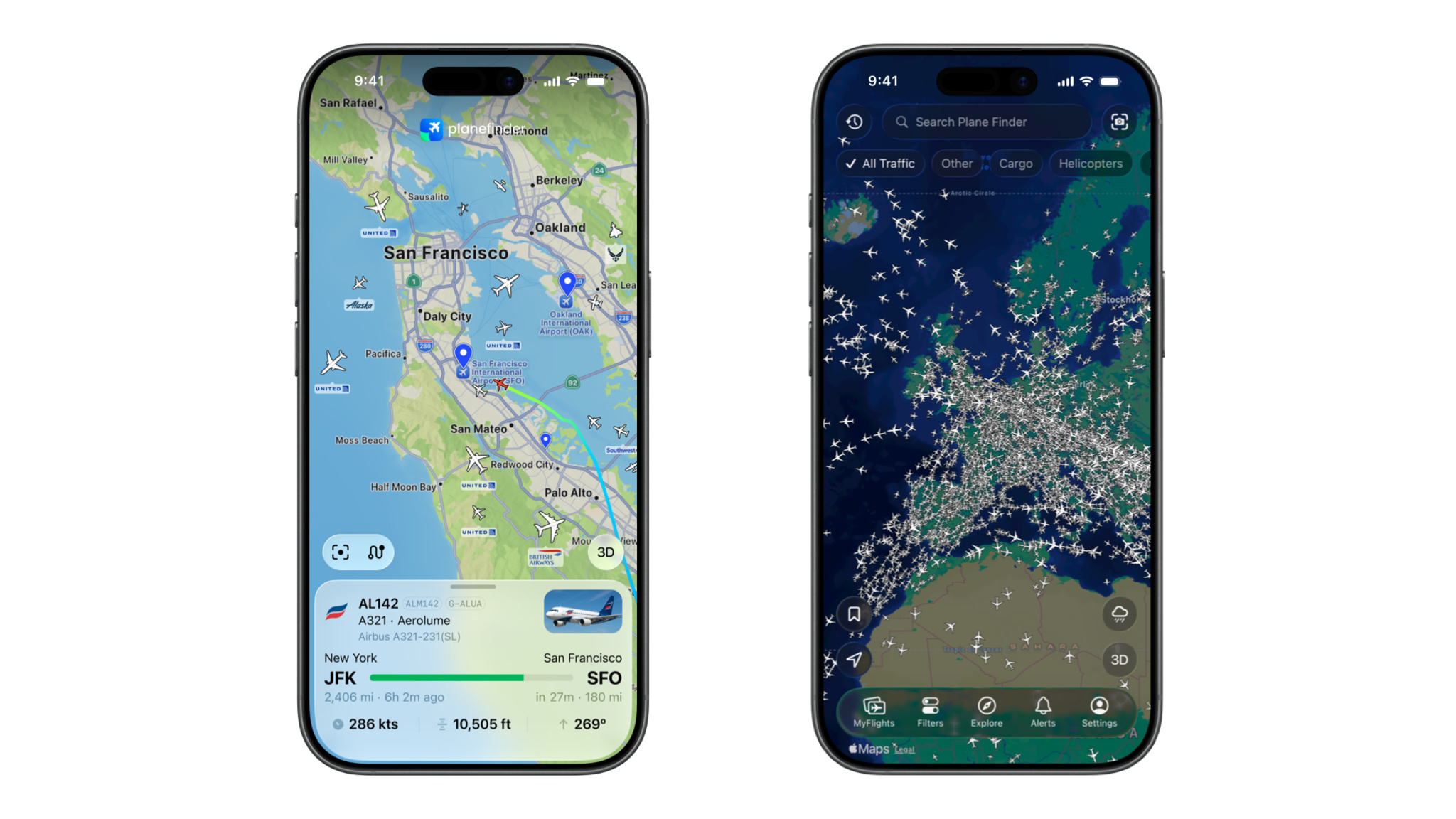
Plane Finder is a sparkling example of what happens when a small team grows with a platform.
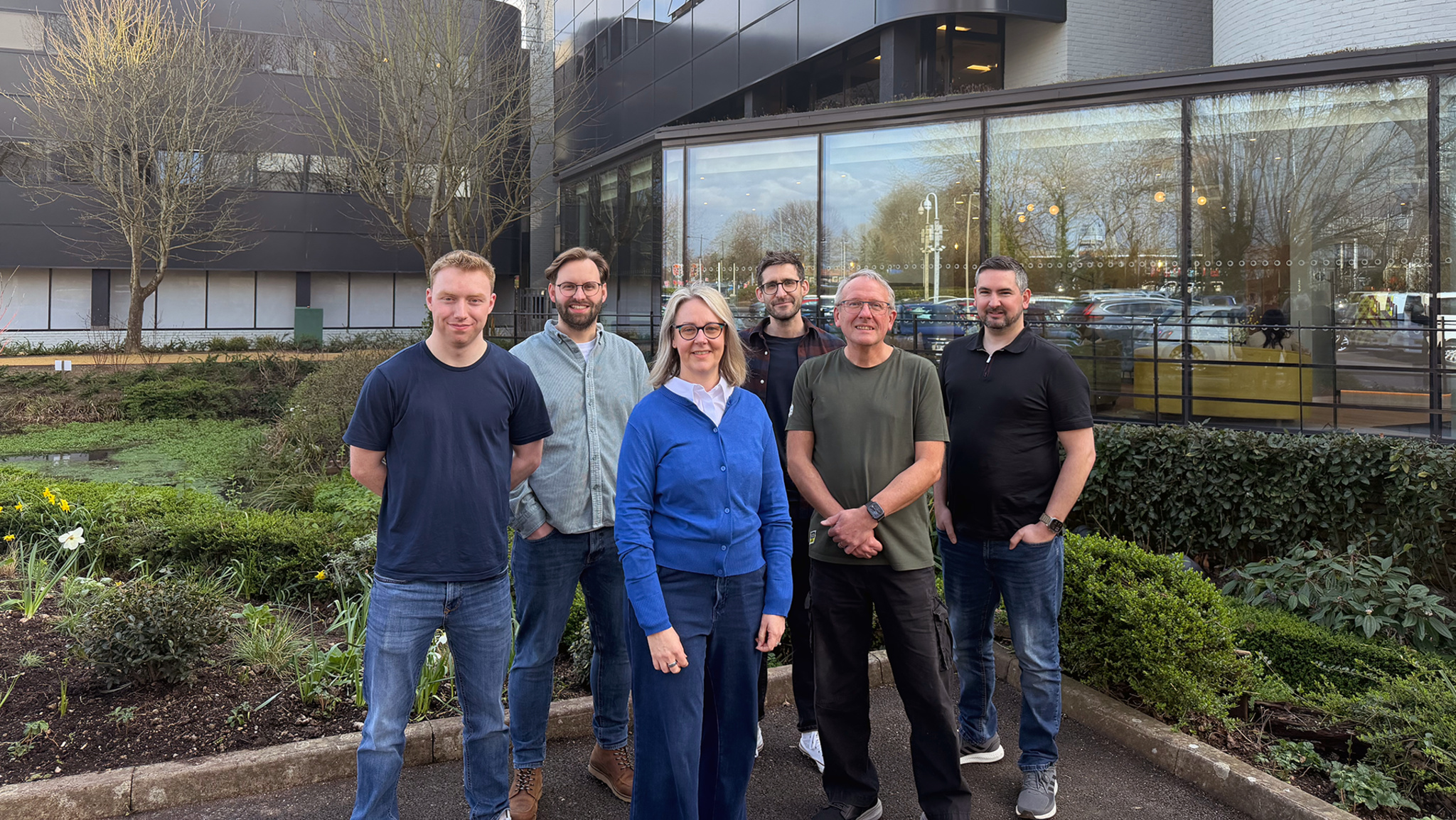
Launched in 2009, Plane Finder didn’t scale over the years by adding headcount, vendors, or complexity. Instead, founders Jodie and Lee Armstrong made a long-term bet on Apple’s ecosystem — staying native, sticking close to first-party tools, and reading platform signals early. And over time, an app that began as “planes on a map” evolved into a full end-to-end flight-tracking business — one that includes a global network of physical hardware — built and operated by a team of just eight people.
We talked to the married founders about their early days, the new design and Liquid Glass, and the challenges of running a global flight tracking network.
Plane Finder
- Available on: iPhone, iPad, Apple Watch
- Team size: 8
- Based in: UK
Download Plane Finder from the App Store >
Take us back to 2009. What sparked the idea for Plane Finder, and what were those early days like?
Lee: We’ve been on the App Store since about a year after it opened. It feels like a lifetime. But the real spark was seeing the unveiling of the iPhone itself in 2007. We were actually in the United States when it came out, so we picked one up, not really knowing what we’d do with it. There was no App Store yet, and I couldn’t even use it as a phone in the UK. It was literally just to hold and swipe back and forth. But that moment became such a huge part of our journey. We still have that iPhone on display.
In those early days, did you have aspirations of becoming an end-to-end flight tracking platform?
Jodie: Not at all. We started with just the app. Today, we collect our own positional information directly from aircraft, put it inside apps, and sell our data commercially.
You’re a small team of eight people. What’s that like?
Lee: I don’t think we could have done it without Apple technologies. We’re a small team, and we wouldn’t have the platform or methods to market on a global scale without the App Store — credit cards, StoreKit, localization. We really value the App Store as a platform.
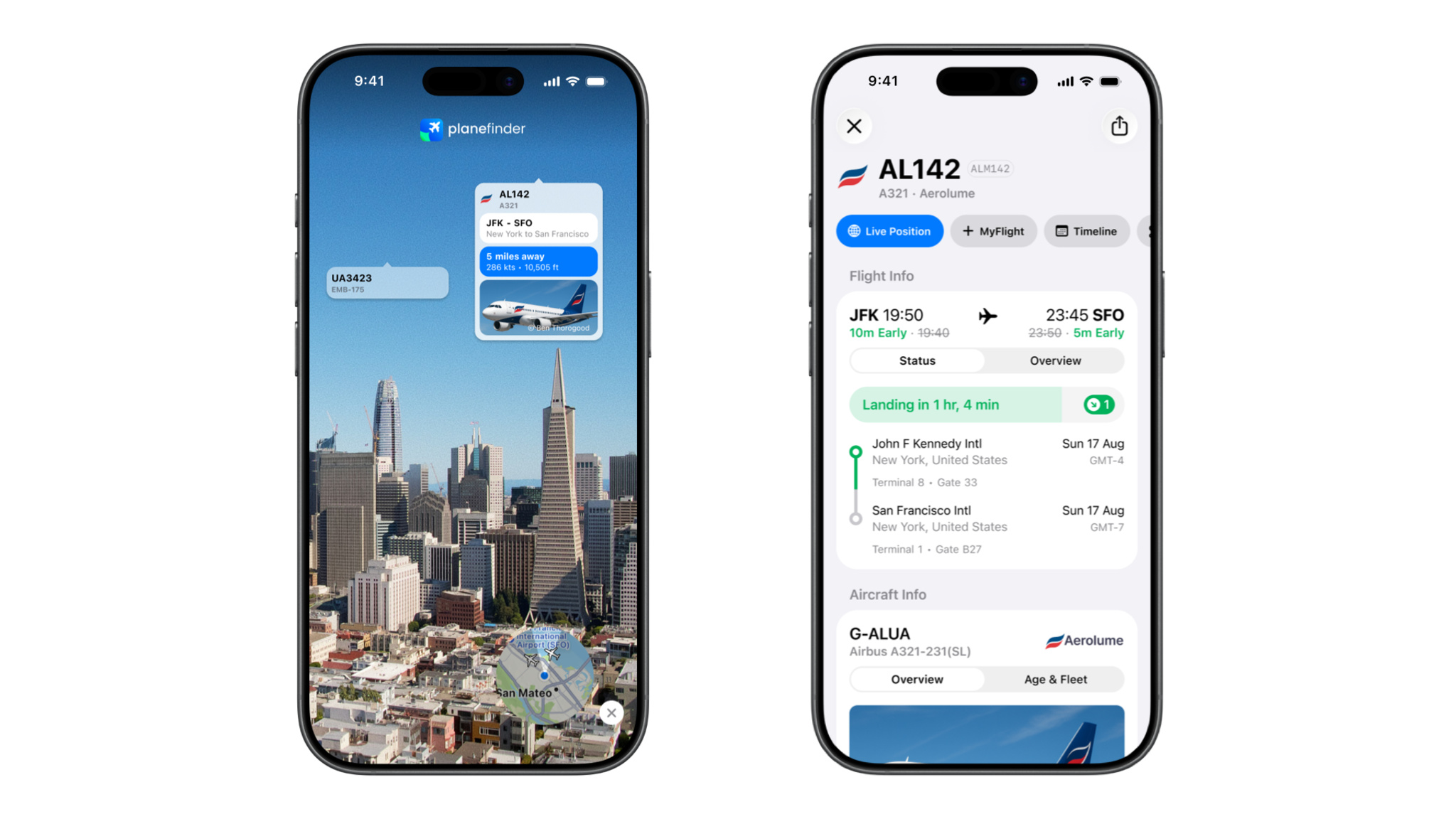
Plane Finder is known for adopting Apple technologies and features — like ARKit, MapKit, and Liquid Glass — early. Which tools have made the biggest difference?
Lee: It all goes back to MapKit. We flippantly say the app is “planes on a map,” and MapKit is core to that. We’re also big users of Metal for our 3D globe view. And we just wouldn’t be able to handle subscriptions and monetization with promotional offers without StoreKit 2. We don’t use any third parties or cross-platform frameworks. We’re all in on Apple technologies because they provide everything we need.
What made you willing to be such early adopters?
Jodie: I steer the company from the mindset of a quote I heard years ago: “When new technologies come along, you can either be part of the steamroller or part of the road.” We always want to be part of the steamroller. We’re quick to evaluate new technology, and if we can lean into it in a way that makes sense for our products, we go for it.
Can you talk about the process of adopting Liquid Glass?
Jodie: We were on board with the concept straight away. From a leadership perspective, we said, “This is the future. We’ve got to make it make sense for what we do.” The design and engineering teams worked incredibly hard bringing those two things together — staying current and leaning into the tech while making it make sense for our world.
What does the developer community mean to you?
Lee: It’s the reinforcement piece. When you’re working in silos, the community gives you confidence that you’re applying technologies correctly. It’s all well and good seeing WWDC sessions with slides and sample code, but that’s very specific. Seeing how it works in the real world is invaluable.
Jodie: Everyone I speak to within Apple has passion and opinions about our app. They’re very engaged, and every piece of feedback is valuable. We’ve been asked questions over the years like “Why do you do this with your toolbar?” All that conversation is helpful.
Plane Finder isn’t just an app. You’ve deployed thousands of flight tracking devices worldwide. How has Apple’s ecosystem enabled that?
Jodie: There’s a symbiotic relationship between people enjoying the app and wanting to get involved by hosting receivers where we need coverage.
Lee: When we first started, we had one receiver covering the south of the UK. People downloaded the app and said, “This is great, but I live in Scotland and can’t see any planes.” So we’d send them a receiver. Before long, we heard that from Sweden, the United States, Africa, and Asia.
Jodie: Today, we use the app to find people in locations where we want to improve coverage. We’re leveraging the power of the audience to grow the network even further.
What’s next?
Jodie: We haven’t finished our Liquid Glass journey. We’re working on an internal project code-named “Plane Finder Double Glazed” — the next iteration with wider UI changes that we held back initially. We’re also looking at how we can leverage machine learning and foundation models.
What’s one thing people don’t realize about running a global flight tracking network?
Lee: We own and operate the network of receivers that power it. A lot of people think we buy that data like other companies do.
Jodie: We’ve designed and manufactured receivers and antennas. There’s more to us than just being an app!
Keep reading
Developer stories explore best practices and philosophies from some of the most inventive developers in the Apple community. In each story, we go behind the screens with developers, designers, and engineers to find out how they brought their remarkable creations to life.
[ad_2]
Source link
More on how plane finder set itself up
Stay tuned for updates on how plane finder set itself up as the story develops. Related: Retrotechnology Media – Typewritten Software.
Frequently Asked Questions
Husband-and-wife team Jodie and Lee Armstrong launched it in 2009; the team is just eight people based in the UK.
Seeing the iPhone unveiled in 2007; they bought one in the United States before the App Store even existed.
By betting long-term on Apple's ecosystem: staying native, sticking close to first-party tools, and reading platform signals early.
A full end-to-end flight-tracking business, including a global network of physical hardware, on iPhone, iPad, and Apple Watch.